Today, we are going to teach you how to design sub bass. The sub bass is arguably the most crucial element in modern electronic music, hip-hop, and even certain rock genres. Indeed, it is the low-frequency foundation that provides power and depth to a track. However, crafting a sub that sounds massive on large club systems, yet remains clean and controlled on headphones, is a skill that separates amateurs from professionals. Therefore, this guide will break down the essential steps for designing and mixing the perfect sub bass.
1. Sub Bass Sound Design: The Power of Simplicity
The secret to a great sub is simplicity. You only need one oscillator, as adding harmonics will only compete with other bass elements.
-
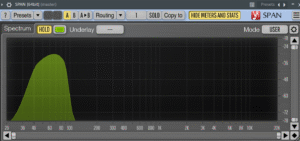
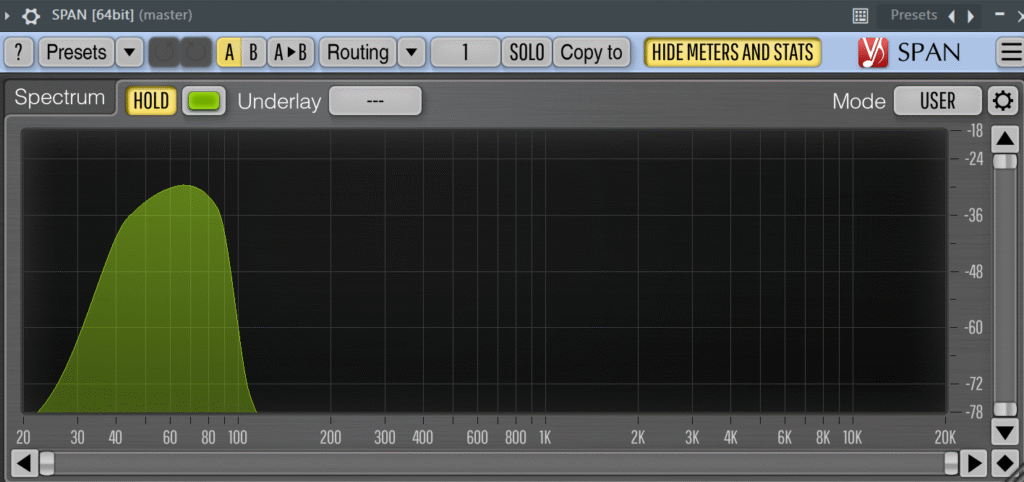
- Choose Your Waveform: First, select a subtractive synthesizer (like Serum, Massive, or your DAW’s stock synth). Next, set the primary oscillator waveform to a Sine Wave. Consequently, the sine wave is the purest form of audio, containing no overtones (harmonics), which makes it ideal for the fundamental sub-frequency range (20Hz to 60Hz).
- Pitch and Envelope: Furthermore, set the pitch to a low octave (usually C1 or C0, depending on the key you want). Finally, apply a simple Amplitude Envelope: ensure there is zero attack and a moderate sustain. Use a quick release (around 100ms) to guarantee the bass doesn’t bleed unnecessarily into the following beat.
2. Sub Bass Mixing Secrets: Low End Control
Sound design is only half the battle; the sub must be tightly controlled in the mix. To begin with, the most common mistake is letting the sub frequency clash with the kick drum. In contrast, the sub and kick should complement each other.
-
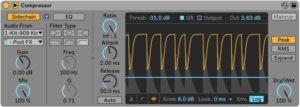
- Sidechain Compression: Therefore, always use Sidechain Compression on your sub bass track, triggered by the kick drum, to duck the sub every time the kick hits. This creates the necessary rhythmic pocket.
-
- EQ Cleanup: Moreover, use a High-Pass Filter (HPF) with a gentle slope (around 12dB/octave) to cut everything below 20Hz. Although this range is technically inaudible, it consumes headroom, and thus must be removed for a cleaner master.
-
- Mono and Translation: Lastly, check your entire mix in mono. Ultimately, the sub must sound consistent across all playback systems, and the low end must always be focused in the center of the stereo field.
This is how to design sub bass. Mastering sound design and mixing is an ongoing journey. However, by focusing on a pure sine wave, precise envelope shaping, and crucial sidechain mixing techniques, you will immediately elevate your track’s low end. In conclusion, a tight, controlled sub bass is the definitive hallmark of professional production.